Microsoft Sculpt Mouse Not Working Mac
- Microsoft Sculpt Mouse Not Responding
- Microsoft Sculpt Mouse Not Working Mac Pro
- Microsoft Sculpt Mouse Not Working Mac Book Pro
- Mouse Troubleshooting
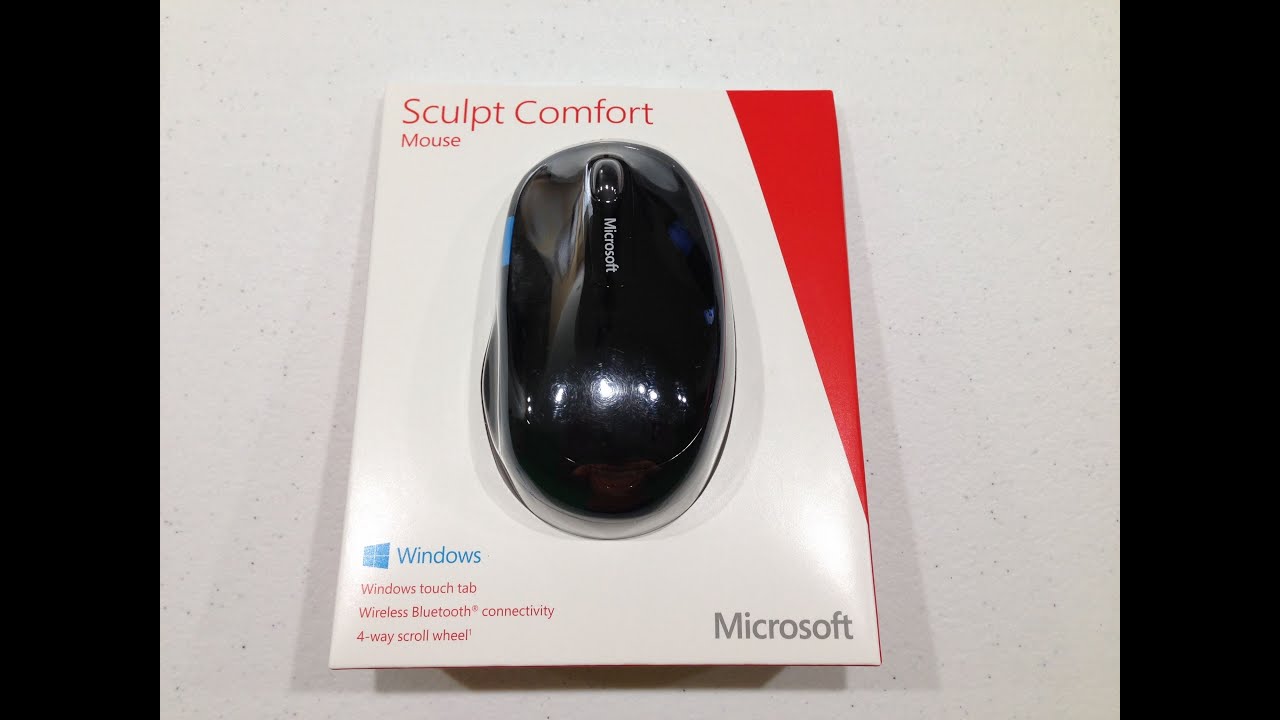
Nov 17, 2019 Have a Microsoft Sculpt Comfort Mouse and Logitech M510 that are installed. Both had been working. Now cursor does not move with either mouse. Wired mouses OK. With Logitech only, can click left or right depending on cursor placement moving cursor with wired mouse. Sculpt mouse clicks do not work. Both recognized in 'Bluetooth and other devices. Sculpt Comfort Mouse features Bluetooth connectivity, so you can easily pair your device with your PC or tablet and not worry about using cords or transceivers. As well, its BlueTrack technology works on virtually any surface. The right-handed thumb scoop design and Tilt wheel allow you to quickly and comfortably scroll left, right, up and down. Mar 11, 2020 The Microsoft Sculpt Ergonomic Mouse is compatible with more devices than most of the other options on this list. Beyond working on any Windows computer and macOS (although the Windows button will not function on these other devices), you can also run it on Android-based computer systems. Apr 12, 2014 The reason I choose Microsoft’s mouse over Logitech’s is because that many people reported that horizontal scrolling, or “spin”, is not working at all on OS X. Here is the test result for those who want to get one but don’t know whether it works on your Mac. Horizontal Scrolling (Tilt Button).
Your device isn't recognized by your Mac
Follow these steps if your mouse, keyboard, or trackpad isn't recognized by your Mac.
Make sure that your wireless mouse, keyboard, or trackpad is turned on
The Magic Mouse and Magic Mouse 2 have a slide switch on the bottom of the device. Slide the switch to turn on the device. On the Magic Mouse, the green LED briefly lights up. On the Magic Mouse 2, green coloring is visible beneath the switch.
The Magic Keyboard, Magic Keyboard with Numeric Keypad, and Magic Trackpad 2 have a slide switch on the back edge of the device. Slide the switch to turn on the device (green coloring becomes visible). Earlier Apple Wireless Keyboard models have a power button on the right side of the device. Press the button and you see a green LED on the top of the device, near the button.
When you turn these devices on, they appear as Connected in the Bluetooth section of System Preferences and in the Bluetooth menu in your menu bar. If a device doesn't appear there, make sure it's charged or replace it batteries, and make sure it's been paired with your Mac.
Make sure that your device has been set up to work with your Mac
Learn how to pair your Magic Mouse 2, Magic Keyboard, Magic Keyboard with Numeric Keypad, Magic Trackpad 2—and earlier models of Apple wireless devices—with your Mac.
Make sure that Bluetooth is turned on
Use your Mac notebook's built-in trackpad or a USB mouse to choose Apple () menu > System Preferences. Then select Bluetooth and make sure that Bluetooth is turned on.
Refer to the table below for more information on determining the Bluetooth status. If the Bluetooth icon doesn't appear, or if the menu bar status continues to indicate that Bluetooth is off, restart your computer and then try to turn Bluetooth on again.
| Bluetooth menu icon | Bluetooth status |
|---|---|
| Bluetooth turned on, but there are no devices connected to the Mac. See the Make sure that your wireless mouse, keyboard, or trackpad is turned on section of this article. | |
| Bluetooth turned on and at least one wireless device is connected. | |
| When this icon flashes, at least one wireless device has a low battery. Click the Bluetooth icon to identify the affected device, then recharge the device or replace its batteries. | |
| Bluetooth is off. Click the Bluetooth icon using a USB mouse or built-in trackpad and select Turn Bluetooth On. | |
| Bluetooth is offline or unavailable. Restart your Mac. If the Bluetooth status doesn’t change, disconnect all USB devices and restart your Mac again. |
Make sure that your devices are charged
Magic Mouse 2, Magic Keyboard, Magic Keyboard with Numeric Keypad, and Magic Trackpad 2 have built-in rechargeable batteries. You can charge these devices by connecting them to a Mac or a USB power adapter using a Lightning to USB Cable. For the fastest battery charging performance, be sure your device is switched on when connected to the Lightning to USB Cable.
The Microsoft Store has a variety of third-party applications that can be easily downloaded and installed. For the best possible experience, we recommend doing a fresh installation of your applications on your new Windows 10 PC. 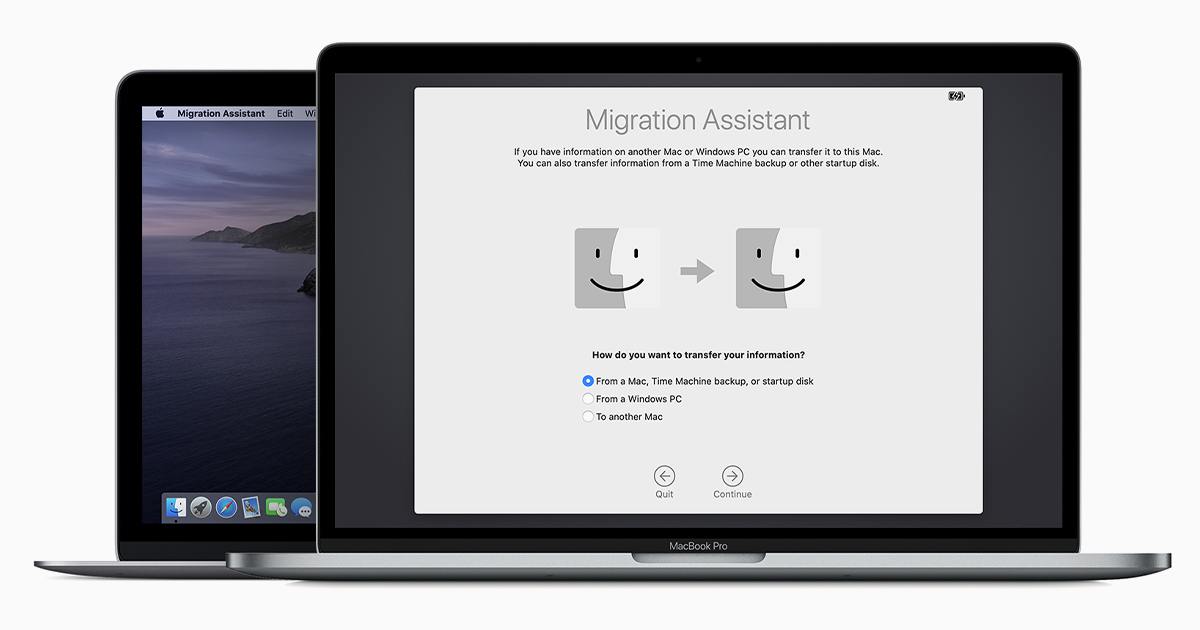 SolutionDetailsIf you've been using your PC for a few years, you probably have some files that you want to move to the new PC. For any software not currently available in the Microsoft Store, we recommend going to that company’s official website and downloading the Windows 10 version from there.
To check the battery level of these devices, click the Bluetooth icon in your Mac's menu bar, then select your device by name. If the battery level of any device is low, recharge the device. If the device isn’t showing, make sure the device is turned using the steps outlined above.
Turn the device off and on
If your Apple wireless mouse, keyboard, or trackpad isn't recognized by your Mac after following the tips above, try turning the wireless device off, waiting a few seconds, and then turning it back on.
Your mouse or keyboard intermittently stops responding
Follow these steps if your mouse or keyboard sometimes stops responding temporarily.
Click or press a key
- Click the mouse or trackpad or press a key on the keyboard to reconnect the device to the computer. It might take a moment for the device to respond.
Check for signal interference
- Wireless networks that operate on 2.4GHz may cause interference. Move cordless phone base stations, microwave ovens, and other 2.4GHz electrical devices away from your Mac if you suspect interference.
- Keep wireless devices within 10 meters (approximately 30 feet) of your Mac.
- Avoid putting metal objects between your wireless device and your Mac.
Your mouse doesn't scroll up or down or side to side
If you can't use your mouse to scroll through a web page or document, see Mac Basics: Multi-Touch gestures to make sure your Gestures are configured correctly. You can also try adjusting your scrolling speed preferences.
Your mouse or trackpad doesn't track as expected
Apple Wireless Mouse, Magic Mouse, and Magic Mouse 2 can be used on most smooth surfaces. If tracking issues occur, try these options:
- Choose Apple menu > System Preferences, then select Mouse. Set the Tracking slider to adjust how fast the pointer moves as you move the mouse.
- Try using a different surface to see if the tracking improves.
- Turn the mouse over and inspect the sensor window. Use compressed air to gently clean the sensor window if dust or debris is present.
- If multiple Bluetooth wireless devices are in use nearby, try turning them off one at a time to see if the issue improves. Bandwidth intensive devices can affect tracking.
Learn more about what to do if your trackpad isn't tracking correctly.
Microsoft Sculpt Mouse Not Responding
Your keyboard has one or more keys that don't respond
Microsoft Sculpt Mouse Not Working Mac Pro
Use the Keyboard Viewer to test whether the keyboard keys are responding correctly when they are pressed.
Microsoft Sculpt Mouse Not Working Mac Book Pro
- Choose Apple menu > System Preferences, then select Language & Region.
- Click the Keyboard Preferences button.
- Click on the Input Sources tab.
- Make sure that the keyboard language that you use is listed on the left side. If it's not, click and choose from the languages that appear.
- Select the checkbox next to Show Input menu in menu bar.
- Click on the Keyboard tab, then select the checkbox next to Show keyboard and emoji viewers in menu bar.
- Choose Show Keyboard Viewer from the Input menu in the menu bar. The Keyboard Viewer showing the keyboard layout appears on your display.
- Type the key on the keyboard that doesn’t respond and see if the corresponding key highlights on the Keyboard Viewer. If it does, that key is functioning correctly.
If you enable the Mouse Keys feature, many keys might not respond as you expect. Here's how to turn off Mouse Keys:
- In OS X 10.8 or later, choose Apple menu > System Preferences. Click on Accessibility, then choose Mouse & Trackpad from the list on the left side. Then deselect the Enable Mouse Keys checkbox.
- In OS X 10.7.5 or earlier, choose Apple menu > System Preferences. Click on Universal Access, then select the Mouse & Trackpad tab. Then select the Off button next to Mouse Keys.
Mouse Troubleshooting
If issues with keys persist, try starting up your Mac in single-user mode to see whether a software issue is causing the problem.